
Money Rules Schools Never Taught You
-
0 sales
- 18 views
- Save
0 /5.0
User review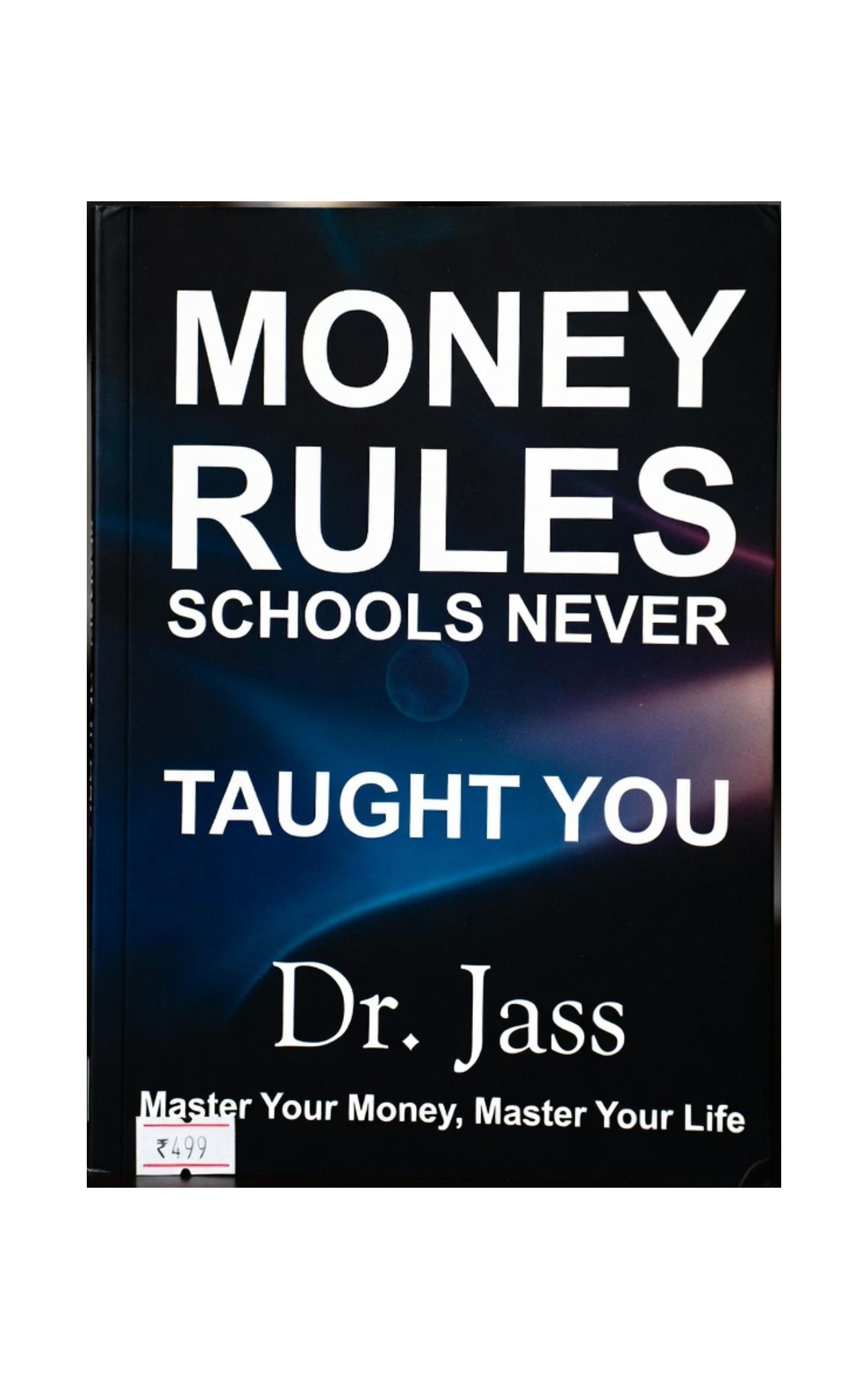
Task Introduction: Money Rules Schools Never Taught You
Money shapes nearly every decision we make—what we study, where we live, the risks we take, and the freedom we ultimately achieve. Yet, despite its importance, most traditional education systems focus on earning grades rather than managing income, building wealth, or avoiding financial traps. This task, Money Rules Schools Never Taught You, is designed to bridge that critical gap.
The objective of this task is to help learners uncover the practical, real-world principles of money that are rarely included in textbooks: how cash flow truly works, why behavior matters more than income, how debt can be used wisely—or dangerously—and how small financial habits compound into life-changing outcomes over time. Instead of memorizing definitions, participants will analyze scenarios, reflect on personal financial decisions, and apply money rules that successful individuals use daily.
By completing this task, learners will develop financial awareness, critical thinking, and long-term money discipline—skills that are essential in adulthood but often learned too late through costly mistakes. This task is not about becoming rich overnight; it is about gaining control, clarity, and confidence with money. The ultimate goal is to empower learners to make informed financial choices that support independence, stability, and sustainable success in the real world.
Fequently asked questions
1. What is “Money Rules Schools Never Taught You” really about?
This program focuses on practical financial principles that are essential for real life but often missing from formal education. It goes beyond textbooks to explain how money actually works—covering behavior, decision-making, risk, and long-term thinking—so learners can make smarter financial choices with confidence.
2. Who should learn these money rules?
These money rules are valuable for everyone—students, working professionals, entrepreneurs, and even parents. Whether someone is just starting to earn or already managing income, understanding these principles helps avoid costly mistakes and build a more secure financial future.
3. Do I need a finance or accounting background to understand this?
No. The content is designed for everyday people, not finance experts. Concepts are explained in a simple, practical way using real-life examples, making it easy to understand and apply regardless of educational or professional background.
4. How are these money rules different from traditional financial education?
Traditional education often focuses on theory and calculations. This program focuses on real-world application—how people actually earn, spend, save, invest, and lose money. It emphasizes mindset, habits, and decision-making, which play a much bigger role in financial success than formulas alone.
5. What real value will I gain after learning these money rules?
Learners gain financial clarity, better control over their money, and the ability to make informed decisions. The biggest value is learning how to think about money wisely—skills that support long-term stability, growth, and independence, not just short-term gains